Obesity is a growing health concern that affects millions of people worldwide and increases the risk of conditions such as diabetes, high blood pressure, heart disease, sleep apnea, and joint problems. While diet plans, exercise routines, and medications can help some individuals lose weight, these methods may not always provide lasting results for people with severe obesity. Bariatric surgery has become a trusted solution for long-term weight management, with sleeve gastrectomy being one of the most commonly performed procedures.
If you are considering Sleeve Gastrectomy in Islamabad, proper preparation is just as important as the surgery itself. Understanding the steps involved before, during, and after the procedure can help you achieve better results, reduce complications, and build healthy habits that support lifelong weight loss. This guide explains everything you need to know before undergoing sleeve gastrectomy.
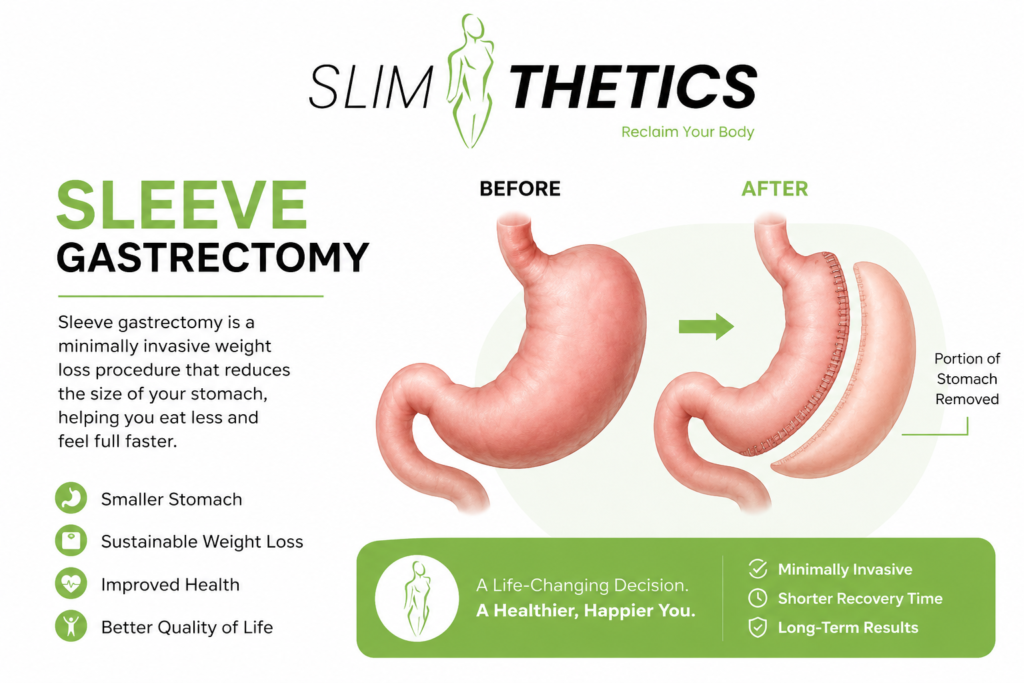
What Is Sleeve Gastrectomy?
- Removes approximately 75–80% of the stomach.
- Restricts food intake by creating a smaller stomach.
- Helps reduce hunger hormones.
- Supports significant and sustainable weight loss.
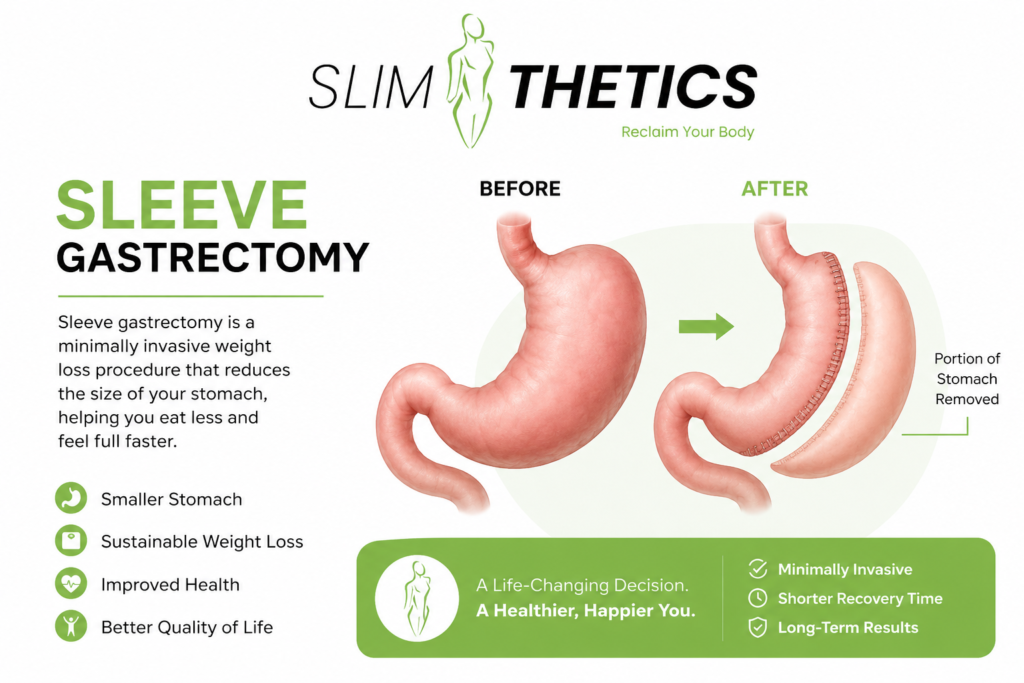
Sleeve gastrectomy is a minimally invasive bariatric procedure designed to help individuals lose excess weight by reducing the size of the stomach. Instead of bypassing the intestines, the surgeon removes a large portion of the stomach, leaving behind a narrow tube-shaped stomach, often referred to as a “sleeve.”
Because the stomach becomes much smaller, patients feel full after eating smaller meals. The surgery also decreases the production of ghrelin, the hormone responsible for stimulating hunger, making it easier to control appetite.
Why Preparation Matters Before Surgery
- Improves surgical safety.
- Lowers the risk of complications.
- Supports faster recovery.
- Helps achieve better long-term weight loss.
Preparing for sleeve gastrectomy involves much more than scheduling an operation. Patients must make important lifestyle changes before surgery to ensure their body is ready for the procedure and recovery.
Following your surgeon’s recommendations before surgery can improve healing, reduce surgical risks, and make it easier to adapt to life after the procedure.
Who Is a Good Candidate?
- BMI over 40.
- BMI over 35 with obesity-related diseases.
- Previous weight-loss methods have failed.
- Willing to commit to lifestyle changes.
Sleeve gastrectomy is generally recommended for adults with severe obesity who have struggled to lose weight through traditional methods. A comprehensive medical evaluation helps determine whether the procedure is appropriate based on health history, weight, and overall medical condition.
Medical Evaluation Before Surgery
- Complete health assessment.
- Blood investigations.
- Heart and lung evaluation.
- Nutritional assessment.
Before surgery, patients undergo a detailed medical examination to identify any health conditions that may require treatment before the procedure.
Your healthcare team may recommend:
- Blood tests
- ECG
- Chest X-ray
- Ultrasound if needed
- Diabetes screening
- Thyroid evaluation
- Sleep apnea assessment
These investigations help ensure you are medically fit for surgery.
Meeting Your Bariatric Surgeon
- Discuss expectations.
- Learn about the procedure.
- Understand risks and benefits.
- Ask questions confidently.
A consultation with an experienced bariatric surgeon is an important part of preparation. During this visit, your surgeon will explain how the surgery is performed, expected weight loss, possible complications, and recovery timelines.
Patients should openly discuss:
- Previous surgeries
- Current medications
- Existing medical conditions
- Family history
- Lifestyle habits
This allows the surgeon to create a personalized treatment plan.
Following a Pre-Operative Diet
- Reduces liver size.
- Makes surgery easier.
- Improves surgical visibility.
- Supports early weight loss.
Many surgeons recommend a special low-calorie, high-protein diet two to three weeks before surgery.
Typical recommendations include:
- Lean protein
- Low-fat dairy
- Vegetables
- Sugar-free beverages
- Plenty of water
Foods high in sugar, fried items, processed snacks, and carbonated drinks should be avoided during this period.
Lifestyle Changes Before Surgery
Stop Smoking
- Improves healing.
- Reduces infection risk.
- Lowers anesthesia complications.
Smoking negatively affects blood circulation and delays wound healing. Most surgeons recommend quitting several weeks before surgery.
Limit Alcohol
- Protects the liver.
- Improves recovery.
- Reduces surgical risks.
Alcohol contains empty calories and may interfere with medications used before and after surgery.
Increase Physical Activity
- Improves heart health.
- Builds stamina.
- Supports recovery.
Walking regularly before surgery helps improve cardiovascular fitness and prepares your body for recovery.
Psychological Preparation
- Develop realistic expectations.
- Build healthy habits.
- Prepare emotionally.
- Improve long-term success.
Weight-loss surgery changes eating habits permanently. Emotional preparation is essential because patients often experience significant lifestyle adjustments after surgery.
Some individuals benefit from counseling sessions that help prepare them mentally for these changes.
Nutritional Counseling
- Learn portion control.
- Understand protein requirements.
- Prevent nutritional deficiencies.
- Build lifelong healthy eating habits.
Nutrition education is one of the most valuable parts of bariatric treatment.
Patients learn:
- Proper meal planning
- Protein goals
- Vitamin supplementation
- Hydration techniques
- Healthy food choices
These habits contribute significantly to successful long-term weight management.
Preparing Your Home for Recovery
- Stock healthy foods.
- Arrange comfortable sleeping space.
- Prepare medications.
- Plan time off work.
Before surgery, organize your home to make recovery easier.
Helpful preparations include:
- Purchasing protein shakes
- Keeping water bottles nearby
- Preparing soft foods
- Having comfortable clothing available
- Asking family members for support
What Happens on Surgery Day?
- Hospital admission.
- Final medical assessment.
- General anesthesia.
- Minimally invasive surgery.
Patients typically arrive at the hospital several hours before surgery.
The surgical team will:
- Review medical records.
- Confirm fasting status.
- Start intravenous fluids.
- Prepare for anesthesia.
The procedure usually takes one to two hours and is commonly performed using laparoscopic techniques.
Recovery After Sleeve Gastrectomy
- Hospital stay of one to two days.
- Gradual increase in activity.
- Follow dietary stages.
- Attend follow-up appointments.
Recovery begins immediately after surgery.
Patients are encouraged to walk soon after the procedure to reduce the risk of blood clots and improve circulation.
Most individuals gradually progress through several dietary phases:
- Clear liquids
- Full liquids
- Pureed foods
- Soft foods
- Regular healthy meals
Following these stages helps the stomach heal properly.
Long-Term Lifestyle After Surgery
Healthy Eating
- Eat slowly.
- Chew thoroughly.
- Choose protein-rich meals.
- Avoid overeating.
Smaller meals become the new normal after surgery. Eating mindfully helps prevent discomfort while supporting weight-loss goals.
Regular Exercise
- Improves metabolism.
- Maintains muscle mass.
- Supports long-term success.
Exercise should become part of your daily routine after receiving medical clearance.
Vitamin Supplements
- Prevent deficiencies.
- Maintain energy.
- Support overall health.
Because food intake decreases significantly, patients usually require lifelong vitamin and mineral supplementation.
Common Mistakes to Avoid
- Skipping follow-up appointments.
- Drinking sugary beverages.
- Ignoring protein intake.
- Not exercising.
- Eating too quickly.
- Drinking fluids during meals.
- Failing to take prescribed vitamins.
Avoiding these habits greatly improves long-term outcomes.
Frequently Asked Questions
Is sleeve gastrectomy permanent?
Yes. The removed portion of the stomach cannot be restored.
How much weight can patients lose?
Most patients lose approximately 60–70% of their excess body weight over 12–18 months when they follow medical guidance.
Is the surgery painful?
Some discomfort is expected after surgery, but pain is generally manageable with prescribed medications.
How soon can I return to work?
Many patients return to desk-based work within two to four weeks, depending on their recovery and the nature of their job.
Will I need lifelong follow-up?
Yes. Regular follow-up appointments help monitor weight loss, nutritional status, and overall health.
Final Thoughts
Preparing properly for sleeve gastrectomy is one of the most important factors in achieving safe surgery and long-term weight-loss success. From medical evaluations and nutritional counseling to lifestyle adjustments and emotional readiness, every step contributes to better outcomes. By understanding what to expect before and after surgery, patients can approach the journey with confidence and realistic expectations.
If you are considering bariatric surgery and want expert guidance throughout every stage of your weight-loss journey, Slimthetics Clinic offers personalized consultations, comprehensive pre-operative assessments, advanced surgical care, and dedicated post-operative support. Our experienced bariatric team is committed to helping patients achieve healthier lives through evidence-based treatment plans, compassionate care, and long-term follow-up designed for lasting success. Whether you’re exploring your options or ready to take the next step, Slimthetics Clinic is here to support you on your path toward a healthier future.