Losing weight is one of the biggest goals for people struggling with obesity, but many wonder how much weight they can realistically expect after surgery. While bariatric procedures have helped thousands achieve significant and long-lasting weight loss, the results vary depending on several factors, including the type of procedure, lifestyle changes, and commitment to long-term healthy habits. If you’re considering Bariatric Surgery in Islamabad, understanding the expected weight loss timeline can help you set realistic expectations and prepare for lasting success.
Key Takeaways
- Bariatric surgery is one of the most effective treatments for severe obesity.
- Weight loss occurs gradually over 12–24 months after surgery.
- Results depend on the type of procedure, starting weight, diet, and physical activity.
- Lifestyle changes remain essential for maintaining long-term success.
- Regular follow-up with your bariatric team significantly improves outcomes.
What Is Bariatric Surgery?
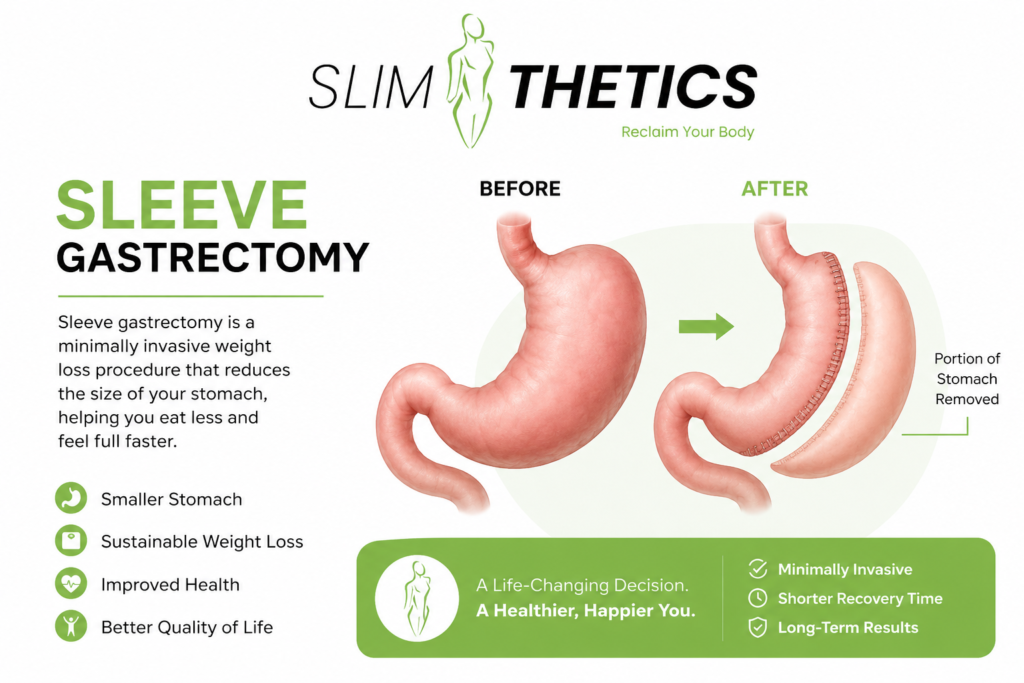
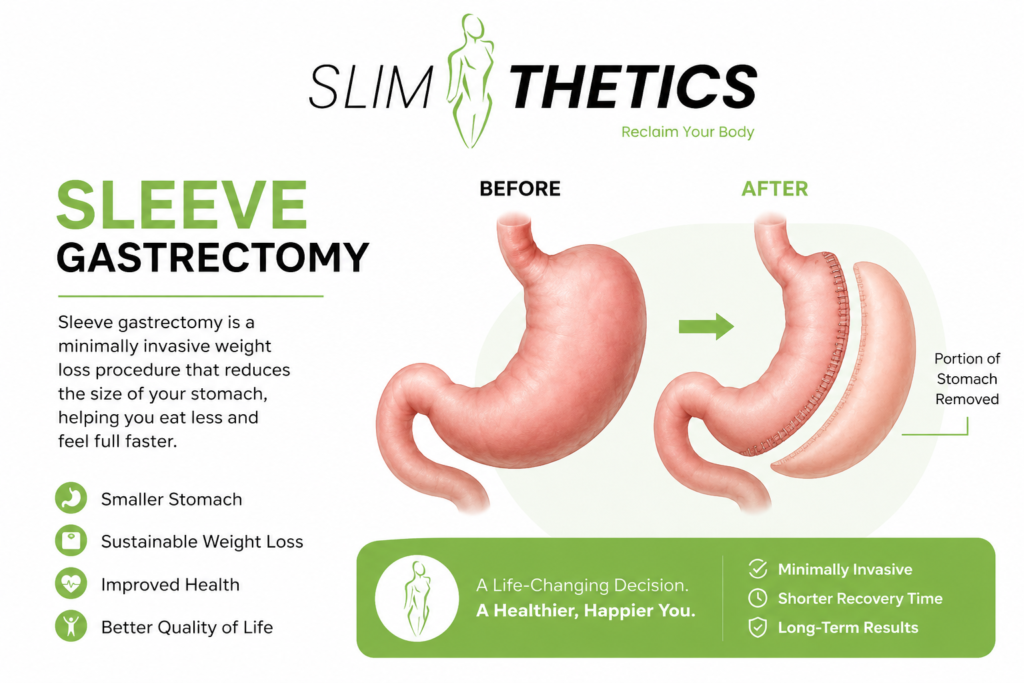
Bariatric surgery refers to a group of surgical procedures designed to help individuals with obesity lose weight by reducing stomach capacity and, in some cases, altering how the digestive system absorbs nutrients. These procedures also trigger hormonal changes that reduce hunger and improve metabolism.
Common Types of Bariatric Surgery
- Sleeve Gastrectomy
- Gastric Bypass
- Mini Gastric Bypass
- Revisional Bariatric Surgery
Each procedure has different advantages, but all aim to support sustainable weight loss and improve obesity-related health conditions.
Why Do People Choose Bariatric Surgery in Islamabad?
Many individuals struggle with obesity despite following strict diets and exercise programs. For people with severe obesity or obesity-related medical conditions, surgery can provide a medically proven solution.
Common Reasons Include
- Long-term weight loss
- Better diabetes control
- Improved blood pressure
- Relief from sleep apnea
- Reduced joint pain
- Increased mobility
- Enhanced confidence and mental well-being
When performed by experienced surgeons and combined with healthy lifestyle habits, bariatric surgery offers life-changing health benefits beyond simply losing weight.
How Much Weight Can You Actually Lose?
This is the most common question among prospective patients.
Most bariatric surgeons measure success using Excess Weight Loss (EWL) rather than total body weight.
Average Expected Weight Loss
| Sleeve Gastrectomy | 55–70% |
| Gastric Bypass | 65–80% |
| Mini Gastric Bypass | 65–85% |
For example:
- Starting Weight: 130 kg
- Ideal Weight: 70 kg
- Excess Weight: 60 kg
If a patient loses 70% of excess weight:
- Total weight lost = approximately 42 kg
Actual results vary from patient to patient.
Weight Loss Timeline After Bariatric Surgery
Weight loss does not happen overnight. It occurs in stages as your body heals and adapts.
First Month
- Rapid initial weight loss
- Liquid and soft-food diet
- Reduced appetite
- Body begins adapting
Average loss:
- 5–10 kg (depending on starting weight)
Months 2–3
Most patients notice dramatic physical changes.
You may experience:
- Faster fat loss
- Increased energy
- Better mobility
- Improved blood sugar control
Average additional loss:
- 6–10 kg
Months 4–6
This is often considered the “golden period” for weight loss.
Patients usually:
- Transition to regular healthy meals
- Begin structured exercise
- Develop healthier eating habits
Weight loss remains steady.
Months 6–12
The rate of weight loss slows naturally.
During this stage:
- Fat loss continues
- Muscle strength improves
- Clothes fit much better
- Chronic health conditions often improve significantly
12–24 Months
Most patients achieve their maximum weight loss within two years.
The focus shifts from losing weight to maintaining results through healthy habits.
Factors That Affect Weight Loss Results
Every patient has a unique journey.
Several factors influence overall success.
Starting Weight
Patients with higher starting weights often lose more kilograms overall.
Type of Surgery
Different procedures produce different outcomes.
Diet Compliance
Following the recommended nutrition plan greatly improves results.
Physical Activity
Regular exercise helps:
- Burn calories
- Preserve muscle mass
- Improve metabolism
- Maintain long-term weight loss
Follow-Up Appointments
Routine medical check-ups help monitor:
- Nutrition
- Vitamin levels
- Weight progress
- Overall health
Health Benefits Beyond Weight Loss
Weight loss is only one part of the transformation.
Many obesity-related diseases improve significantly.
Type 2 Diabetes
Many patients experience:
- Better blood sugar control
- Reduced medication requirements
- Diabetes remission in some cases
High Blood Pressure
Lower body weight reduces strain on the heart.
Patients often see:
- Lower blood pressure
- Reduced cardiovascular risk
Sleep Apnea
Many individuals experience:
- Better sleep quality
- Less snoring
- Improved daytime energy
Joint Pain
Less body weight means less stress on knees, hips, and back.
Many patients become more physically active after surgery.
Mental Health
Successful weight loss often improves:
- Self-esteem
- Confidence
- Social life
- Emotional well-being
Can Weight Regain Happen?
Yes.
Bariatric surgery is a powerful medical tool—not a permanent cure.
Weight regain may occur if patients:
- Frequently consume high-calorie foods
- Skip follow-up appointments
- Avoid exercise
- Ignore dietary recommendations
Fortunately, most regain can be prevented through healthy habits and ongoing medical support.
Tips to Maximize Weight Loss
Successful patients usually follow similar routines.
Healthy Eating
Focus on:
- Lean protein
- Vegetables
- Fruits
- Whole grains
- Plenty of water
Limit:
- Sugary drinks
- Fast food
- Processed snacks
Stay Physically Active
Aim for:
- Walking
- Strength training
- Swimming
- Cycling
Exercise helps preserve muscle while burning fat.
Prioritize Protein
Protein supports:
- Muscle recovery
- Fullness
- Healthy metabolism
Take Prescribed Supplements
Vitamin deficiencies can occur after surgery.
Common supplements include:
- Vitamin B12
- Iron
- Calcium
- Vitamin D
- Multivitamins
Always follow your surgeon’s recommendations.
Keep Regular Follow-Ups
Routine appointments help identify nutritional deficiencies and ensure your recovery stays on track.
Who Achieves the Best Results?
Patients who typically lose the most weight:
- Follow dietary instructions
- Exercise consistently
- Attend scheduled follow-ups
- Stay motivated
- Build long-term healthy habits
Surgery provides the opportunity, but long-term success depends on sustained lifestyle changes.
Frequently Asked Questions
Is bariatric surgery permanent?
The anatomical changes made during surgery are generally permanent, although maintaining results depends on lifestyle choices.
How quickly will I notice weight loss?
Most patients begin losing weight within the first week after surgery.
Can I regain weight?
Yes, but maintaining healthy eating habits and regular exercise significantly reduces the risk.
Which procedure offers the greatest weight loss?
Gastric bypass and mini gastric bypass often produce slightly greater average weight loss than sleeve gastrectomy, although the best procedure depends on your medical condition and individual goals.
Will I have loose skin?
Some patients develop loose skin after major weight loss. The amount depends on age, genetics, skin elasticity, and total weight lost.
Final Thoughts
Bariatric surgery is far more than a cosmetic procedure—it is a scientifically proven treatment that can transform overall health and quality of life. Most patients experience substantial weight loss over 12 to 24 months while also seeing improvements in obesity-related conditions such as diabetes, hypertension, and sleep apnea. Setting realistic expectations, following your healthcare team’s advice, and committing to healthier lifestyle habits are the keys to achieving lasting success.
If you’re considering weight loss surgery and want expert guidance from consultation through long-term follow-up, Slimthetics Clinic offers comprehensive bariatric care tailored to your individual needs. With experienced surgeons, personalized treatment plans, nutritional counseling, and dedicated aftercare, Slimthetics Clinic is committed to helping you achieve safe, sustainable weight loss and a healthier future.