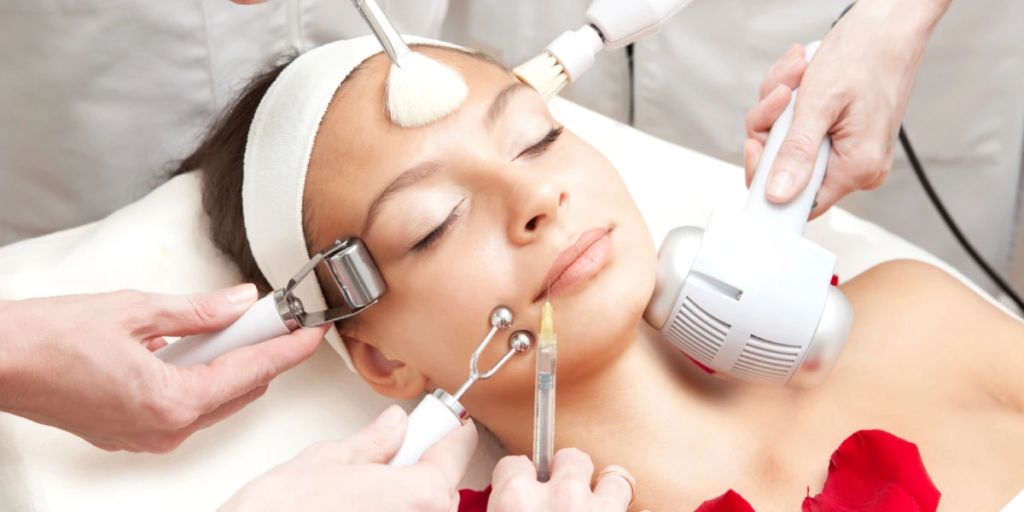
Clearer, more even-looking skin is a common aesthetic goal for people who notice uneven tone, pigmentation, or a dull complexion. Skin whitening treatment in Dubai may be considered by adults who want to improve the appearance of uneven pigmentation under appropriate professional guidance. However, suitability is not based on skin tone alone. A proper assessment considers skin condition, pigmentation concerns, medical history, treatment goals, and the type of procedure being considered.
The main aim of these treatments is generally to create a more balanced and brighter-looking complexion rather than dramatically changing a person’s natural skin color. Understanding who may be suitable, what the process involves, and which factors require professional assessment can help individuals approach treatment with realistic expectations.
Who May Be Suitable for Skin Brightening Treatment?
Treatment suitability varies from person to person. Adults with relatively stable skin and specific concerns related to uneven pigmentation may be considered suitable candidates following an assessment.
Potential candidates may include people experiencing:
- Uneven skin tone
- Visible pigmentation
- Sun-related discoloration
- Post-inflammatory pigmentation
- A dull or tired-looking complexion
- Mild areas of uneven color
- Differences in pigmentation between facial areas
A professional assessment is important because similar-looking pigmentation can have different underlying causes. Identifying the nature of the concern helps determine whether an aesthetic treatment is appropriate.
Why Skin Condition Matters Before Treatment
Healthy and stable skin is an important consideration before any aesthetic procedure. Active irritation, unexplained changes in pigmentation, open areas, or recently developed skin concerns may require further evaluation before treatment is considered.
A qualified professional may examine the skin’s texture, pigmentation pattern, sensitivity, and overall condition. This assessment helps establish whether the selected procedure is suitable for the individual’s current skin status.
The evaluation may also consider previous aesthetic procedures and the person’s expectations. These details provide useful information when selecting an appropriate treatment approach.
What Are the Main Treatment Options?
Different procedures can be used to address uneven pigmentation and improve the appearance of the complexion. Two commonly discussed approaches are laser-based pigmentation treatment and chemical peels.
The appropriate option depends on the individual’s skin characteristics and the specific pigmentation concern rather than simply choosing the most popular procedure.
How Does Laser-Based Treatment Work?
Laser-based treatment uses controlled light energy directed toward targeted pigmentation. The energy is designed to interact with pigment within the skin, allowing the treatment to focus on areas where discoloration is more noticeable.
During the procedure, the treatment area is assessed and prepared before the selected laser technology is applied. The professional adjusts the treatment parameters according to the person’s skin characteristics and pigmentation pattern.
Laser treatment may be considered when pigmentation is more localized or when targeted treatment is preferred. The number and frequency of sessions depend on the individual’s skin and treatment goals.
The key principle is precision. Instead of treating every part of the complexion in exactly the same way, laser technology can be directed toward specific areas requiring attention.
How Do Chemical Peels Work?
Chemical peels use a professionally selected peeling solution to encourage controlled removal of superficial layers of the skin. This process can help improve the appearance of uneven tone and create a smoother-looking complexion.
The type and strength of a peel are selected according to the individual’s skin characteristics and aesthetic concerns. A professional typically evaluates the pigmentation pattern, skin condition, and desired outcome before selecting an appropriate peel.
Chemical peels may be considered for people whose primary concern involves superficial uneven pigmentation or a generally dull complexion. Treatment planning is individualized because different skin types can respond differently to peeling procedures.

Can Every Skin Type Receive Treatment?
Not every person is automatically suitable for every procedure. Skin type, pigmentation tendency, sensitivity, and the cause of discoloration can influence treatment selection.
People with darker skin tones may require particularly careful treatment planning because pigmentation can respond differently to certain procedures. This does not automatically mean that treatment is unsuitable. Instead, professional assessment and appropriate technique become especially important.
A personalized approach helps avoid treating pigmentation as though every complexion has the same characteristics.
Who May Need Professional Evaluation First?
Certain situations may require additional assessment before an aesthetic treatment is considered. Individuals with unexplained pigmentation changes, persistent skin irritation, active skin conditions, or recently changing lesions should seek appropriate medical evaluation.
People who are pregnant, breastfeeding, taking certain medications, or managing ongoing medical conditions may also need to discuss their circumstances with a qualified healthcare professional before undergoing an aesthetic procedure.
Previous cosmetic procedures should also be disclosed during consultation. Complete information allows the professional to determine whether the planned treatment is appropriate at that time.
Why Realistic Expectations Are Important
Aesthetic treatment is generally intended to improve the appearance of pigmentation rather than completely transform a person’s natural complexion. Realistic expectations are therefore an important part of treatment planning.
Individuals may notice improvements in the uniformity, clarity, and brightness of their complexion, depending on the original concern and selected procedure. Results can vary because pigmentation has different causes and may be influenced by individual skin characteristics.
A professional consultation can help establish achievable goals and explain what type of improvement may reasonably be expected.
What Happens During the Treatment Process?
The process usually begins with a consultation and skin assessment. The professional identifies the primary concern and discusses the person’s desired outcome.
Once suitability has been established, the selected treatment approach is planned according to the skin’s characteristics. Laser-based procedures involve controlled application of light energy, while chemical peels involve the professional application of a selected peeling solution.
The treatment itself is generally focused on the areas identified during the assessment. The exact duration and treatment schedule depend on the procedure and the individual’s needs.
What Benefits Can Suitable Candidates Expect?
When appropriately selected, pigmentation-focused aesthetic procedures may help improve the overall appearance of the complexion.
Potential aesthetic benefits include:
- A more even-looking skin tone
- Improved appearance of pigmentation
- A brighter-looking complexion
- Greater visual uniformity
- Smoother-looking skin
- A refreshed overall appearance
The extent of improvement depends on the underlying pigmentation, treatment method, skin characteristics, and individual response.
Why Professional Assessment Is Essential
Professional assessment provides an opportunity to distinguish ordinary cosmetic pigmentation from concerns that may require medical attention. It also allows treatment to be selected according to the individual’s actual skin condition.
Rather than relying on a one-size-fits-all approach, an assessment considers the person’s pigmentation pattern, skin type, treatment history, and aesthetic objectives. This individualized planning is particularly valuable when procedures involving energy or controlled exfoliation are being considered.
FAQs
Can Adults With Uneven Skin Tone Get Treatment?
Adults with uneven pigmentation may be considered suitable candidates after a professional skin assessment. The appropriate procedure depends on the cause and characteristics of the pigmentation.
Is Laser Treatment Suitable for Everyone?
Laser treatment is not automatically appropriate for every person. Skin type, pigmentation characteristics, previous procedures, and overall skin condition should be evaluated before treatment.
Are Chemical Peels Used for Uneven Pigmentation?
Chemical peels can be used as an aesthetic approach for certain forms of superficial pigmentation and uneven tone. The type of peel should be selected according to the individual’s skin characteristics and treatment goals.
Can People With Darker Skin Consider Treatment?
People with darker skin can potentially undergo pigmentation-focused procedures, but treatment selection requires careful professional assessment. Skin characteristics and pigmentation response should be considered when planning the procedure.
Is Treatment Intended to Change Natural Skin Color?
The primary aesthetic goal is generally to improve uneven pigmentation and create a more uniform-looking complexion. Treatment should focus on addressing specific pigmentation concerns rather than attempting to change a person’s natural skin identity.
How Is the Appropriate Treatment Selected?
The appropriate treatment is selected after considering the pigmentation pattern, skin type, current skin condition, previous treatment history, and desired aesthetic outcome. A professional assessment helps determine which approach is appropriate.
Conclusion
Skin whitening treatment in Dubai can be considered by suitable adults who have concerns such as uneven pigmentation, discoloration, or a dull-looking complexion, provided that a qualified professional determines that treatment is appropriate. Laser-based procedures and chemical peels offer different approaches to improving the appearance of pigmentation, so selection should be based on individual skin characteristics rather than a universal method. A thorough assessment, realistic expectations, and personalized treatment planning remain central to achieving a balanced and naturally brighter-looking complexion.