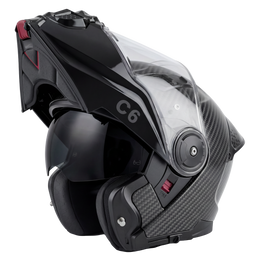
Motorcycle helmets have become an essential part of modern riding equipment, combining protective technology with designs that reflect individual riding styles. Riders now have access to everything from traditional cruiser helmets to modern full-face designs and distinctive badass motorcycle helmet styles.
Although appearance can influence a purchasing decision, helmet selection should begin with fit, construction, certification, comfort, and intended riding conditions. A helmet that looks impressive but does not fit correctly or meet appropriate safety requirements may not provide the protection a rider expects.
Why Helmet Selection Matters
A motorcycle helmet serves an important role in reducing the potential severity of head injuries during a crash. Different helmet designs provide different levels of coverage, ventilation, visibility, and protection.
Riders should consider several factors before selecting a helmet:
- Helmet certification
- Correct head size and fit
- Shell construction
- Retention system
- Field of vision
- Ventilation
- Interior comfort
- Intended riding environment
For riders who prioritize a distinctive appearance, a badass helmet can combine aggressive styling with practical riding features. However, styling should remain secondary to proper fit and recognized safety standards.
Understanding DOT Motorcycle Helmet Standards
Certification is one of the most important considerations when purchasing motorcycle head protection. In the United States, the Department of Transportation (DOT) establishes Federal Motor Vehicle Safety Standard No. 218, commonly known as FMVSS No. 218, for motorcycle helmets.
Consumers often search for dot motorcycle helmets when they want products designed to meet the applicable U.S. federal motorcycle helmet standard. A compliant helmet is expected to satisfy requirements related to areas such as impact attenuation, penetration resistance, and retention-system performance.
The DOT standard is particularly relevant for riders shopping for helmets in the U.S. market because it provides a recognized regulatory benchmark.
What Does DOT Certified Mean?
The term dot certified motorcycle helmets is commonly used by retailers and consumers when discussing helmets marketed as meeting the DOT standard. Riders should still pay attention to the manufacturer’s information and labeling rather than relying only on marketing language.
A helmet’s certification information should be clearly presented, and buyers should purchase from reputable sources. The helmet should also fit securely without excessive movement when the rider turns or moves their head.
It is important to distinguish between a helmet being advertised as compliant and independently verifying the product’s regulatory status when possible. Consumers should also be aware that certification requirements can vary between countries.
Choosing DOT Approved Motorcycle Helmets
Many riders specifically look for dot approved motorcycle helmets because DOT compliance is an important consideration in the U.S. motorcycle market.
When evaluating a helmet, riders should look beyond the certification label. A properly selected helmet should also have:
- A secure and comfortable fit
- A functioning retention system
- Appropriate head coverage
- Adequate visibility
- Durable construction
- Comfortable interior padding
- Suitable ventilation for the riding environment
The best helmet is not necessarily the most expensive model. Instead, the goal should be to find a properly fitting helmet that meets the relevant safety requirements and suits the rider’s needs.
Style Still Plays an Important Role
Safety does not mean riders have to sacrifice personal style. Motorcycle culture has always placed importance on individuality, and helmet manufacturers produce many designs to accommodate different preferences.
Cruiser riders, for example, may prefer traditional styling, while sport riders may choose aerodynamic full-face designs. Touring riders may prioritize comfort and ventilation for long-distance journeys.
Some riders prefer aggressive graphics, dark finishes, vintage styling, or bold shapes. This is where badass biker helmets have become popular among riders who want their equipment to reflect the attitude and character of motorcycle culture.
A visually distinctive helmet can complement a motorcycle, riding jacket, gloves, boots, and other equipment while still providing the practical features required for everyday riding.
Full-Face vs. Open-Face Helmet Designs
Helmet coverage is another important consideration.
Full-face helmets generally provide coverage around the head, sides, and chin area. This design can provide more extensive coverage than open-face alternatives and is commonly selected by riders who prioritize maximum facial coverage.
Open-face helmets provide greater airflow and visibility around the face. They are popular among some cruiser and urban riders who prefer a more open riding experience.
Half helmets provide even less coverage and are often chosen because of their lightweight construction and minimalist appearance.
Regardless of the design, riders should understand what areas of the head and face a particular helmet actually covers before making a purchase.
Fit Is Just as Important as Certification
Even a properly certified helmet needs to fit correctly. A helmet that is too loose may move excessively during riding, while one that is too tight can create discomfort and pressure points.
A properly fitting helmet should feel snug without causing significant pain. The interior padding should make consistent contact with the head, and the retention strap should remain securely fastened.
Riders should measure their head according to the manufacturer’s sizing instructions because sizing systems can differ between manufacturers and helmet models.
Trying on a helmet before purchasing can also help identify pressure points that may not be obvious from measurements alone.
Choosing a Helmet for Different Riding Conditions
The intended riding environment can influence helmet selection.
For highway and long-distance riding, riders may prioritize aerodynamic stability, noise management, ventilation, and extensive coverage. Urban commuters may place greater emphasis on visibility, weight, and ease of use.
Cruiser riders often look for traditional designs that complement the appearance of their motorcycles. Meanwhile, riders interested in a more aggressive appearance may gravitate toward a badass motorcycle helmet with bold graphics, darker finishes, or distinctive styling.
Weather should also be considered. Riders in hot climates may benefit from effective ventilation, while riders in colder environments may prioritize insulation and compatibility with additional riding gear.
Appearance Should Never Replace Safety
Motorcycle helmets are highly visible pieces of riding equipment, which makes appearance an important part of the buying experience. However, graphics, colors, and aggressive styling should not become the primary criteria.
A badass helmet can look distinctive while still being selected according to practical considerations such as certification, fit, coverage, and construction.
Consumers should also be cautious about novelty helmets or products that are designed primarily for appearance without providing appropriate protective characteristics.
Making a More Informed Helmet Purchase
A good helmet purchase begins with understanding personal requirements. Riders should determine the type of riding they regularly perform, the amount of coverage they want, the climate in which they ride, and the certification requirements applicable to their location.
For U.S. riders, checking for the appropriate DOT compliance information is an important step. Comparing construction, fit, ventilation, coverage, and comfort can then help narrow the available choices.
Rather than choosing a helmet solely because it looks aggressive or appears popular, riders can make a more informed decision by evaluating safety-related characteristics first and style second.
Conclusion
Choosing a motorcycle helmet involves more than finding an attractive design. Proper fit, coverage, construction, comfort, and recognized certification should all be considered before making a purchasing decision.
DOT standards are particularly important for riders in the United States, making dot motorcycle helmets, dot certified motorcycle helmets, and dot approved motorcycle helmets common search terms among consumers researching their options.
At the same time, motorcycle equipment is also a reflection of personal identity. Riders who want a more aggressive appearance can find badass biker helmets and other distinctive designs without necessarily compromising practical considerations. The most suitable helmet is ultimately one that fits correctly, meets the applicable safety requirements, suits the riding environment, and gives the rider confidence every time they get on the road.
Frequently Asked Questions
1. What is a badass motorcycle helmet?
A badass motorcycle helmet generally refers to a helmet with an aggressive, distinctive, or bold appearance. The term describes styling rather than a specific safety certification. Riders should evaluate certification, fit, coverage, and construction separately from appearance.
2. Are DOT motorcycle helmets required in the United States?
DOT compliance is an important federal safety standard for motorcycle helmets sold for use on public roads in the United States. State helmet laws can differ, so riders should also check the requirements applicable in their state.
3. What does DOT certified motorcycle helmets mean?
DOT certified motorcycle helmets is a commonly used phrase for helmets represented as meeting the U.S. DOT motorcycle helmet standard. Buyers should check the manufacturer’s labeling and compliance information rather than relying solely on marketing terminology.
4. Are DOT approved motorcycle helmets safe?
DOT approved motorcycle helmets are intended to meet the applicable DOT safety requirements when properly manufactured and compliant. However, certification alone does not guarantee that every helmet is suitable for every rider. Correct sizing, proper fastening, condition, and appropriate use are also important.
5. What makes badass biker helmets different from ordinary helmets?
Badass biker helmets usually differ primarily in their visual design, graphics, finishes, or overall styling. They may include features found in other motorcycle helmets, but the term itself does not indicate a particular level of protection. Riders should always verify the helmet’s safety information independently of its
appearance.