
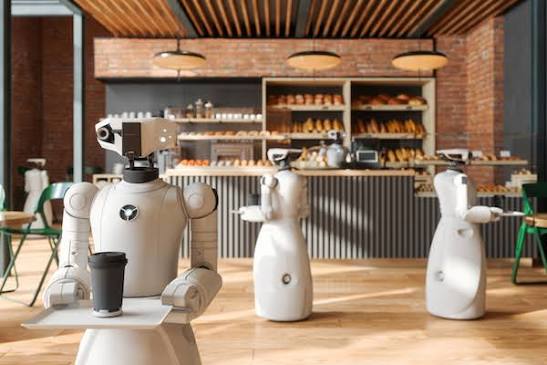
Humanoid robots are no longer limited to research laboratories or science fiction. Thanks to rapid advances in artificial intelligence, machine vision, and robotics engineering, these human-like machines are beginning to work in real environments such as factories, hospitals, warehouses, and research facilities. As companies continue investing in smarter automation, humanoid robots are becoming practical tools that improve productivity while supporting human workers.
Smarter AI Is Driving the Next Generation of Robots
One of the biggest reasons behind the rise of humanoid robots is the improvement in AI technology. Modern robots can process visual information, understand voice commands, and react to changing environments in real time. Instead of following a fixed set of instructions, they can analyze situations, recognize objects, and make better decisions while performing everyday tasks.
These capabilities allow robots to work more naturally in spaces originally designed for people, reducing the need for expensive workplace modifications.
Manufacturing Is Leading Adoption
The manufacturing industry has become one of the first sectors to embrace humanoid robotics. Many companies are testing these machines for tasks such as transporting materials, handling components, and supporting assembly-line operations.
By taking over repetitive and physically demanding work, robots help reduce workplace injuries while allowing employees to focus on skilled and supervisory responsibilities. They also provide businesses with a solution to ongoing labor shortages that continue to affect production across many industries.
Healthcare Sees New Possibilities
Healthcare is another field where humanoid robotics is creating exciting opportunities. Researchers are exploring how advanced robotic systems can assist surgeons, improve medical precision, and support remote healthcare services.
Although human doctors remain in complete control, robotic assistance can improve accuracy during delicate procedures and may eventually help deliver specialized medical care to rural or underserved communities.
Growing Investment Accelerates Innovation
Investment in humanoid robotics continues to grow as businesses recognize the long-term potential of intelligent automation. Technology companies, manufacturers, and venture capital firms are funding research to improve robot mobility, battery life, AI capabilities, and production efficiency.
Lower hardware costs and better software are making humanoid robots more accessible than ever before, encouraging wider adoption across multiple industries.
Challenges Still Remain
Despite impressive progress, several obstacles must still be addressed before humanoid robots become common in everyday workplaces. Battery limitations reduce operating time, while advanced components such as sensors and precision actuators remain expensive to manufacture.
Safety is another important consideration. Robots working alongside humans must detect obstacles, respond to unexpected situations, and operate reliably without creating workplace risks.
What the Future Looks Like
Experts believe humanoid robots will become increasingly common over the next decade. As AI models continue improving and manufacturing costs decrease, these machines are expected to take on more complex responsibilities in logistics, healthcare, retail, and industrial production.
Rather than replacing human workers completely, the most likely future is one of collaboration. Humans will continue making strategic decisions, while robots handle repetitive, physically demanding, or hazardous tasks. This partnership can improve efficiency, increase workplace safety, and help businesses meet growing operational demands.
Conclusion
Humanoid robotics is entering a new phase of real-world adoption. Advances in artificial intelligence, improved engineering, and strong industry investment are transforming these machines into practical workplace assistants. While technical challenges remain, ongoing innovation suggests that humanoid robots will play an increasingly important role in shaping the future of work across multiple industries.
