
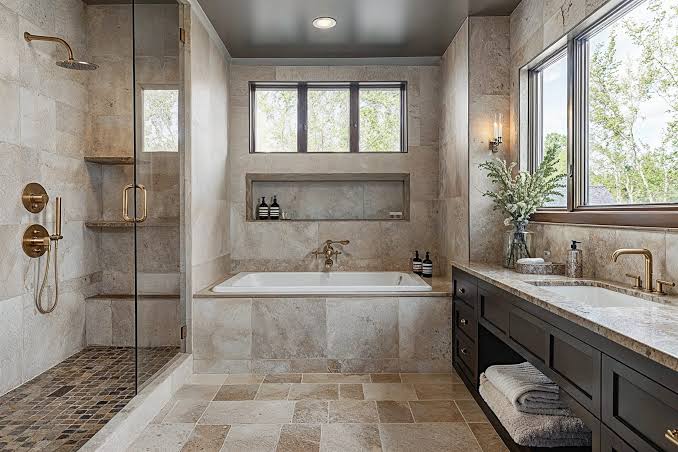
Selecting the right materials is one of the most important decisions in any renovation project. Tiles, countertops, fixtures, and finishes not only shape how a bathroom looks but also determine how well it holds up to daily moisture, cleaning, and wear. For homeowners planning a Bathroom Renovation Dubai project, understanding material options before work begins helps avoid costly mistakes and ensures the finished space performs well for years. This guide breaks down the practical considerations behind choosing bathroom materials that balance durability, appearance, and maintenance.
Why Material Selection Matters in Bathroom Renovation
Bathrooms face constant exposure to water, humidity, and temperature changes, making them far more demanding than other rooms in a home. Materials that look attractive but lack moisture resistance can warp, crack, or develop mold within a short period. Choosing durable, purpose-built materials from the start reduces long-term maintenance and repair costs, while also affecting how easily a space can be cleaned and how long fixtures remain functional before needing replacement.
Choosing the Right Wall and Floor Tiles
Tiles remain the most common choice for bathroom walls and floors because they resist water and are relatively easy to maintain. When selecting tiles, consider both the material and the finish. Matte or textured tiles offer better slip resistance for flooring, while glossy finishes are often reserved for walls where grip is less of a concern. Narrower grout lines with quality sealants also reduce the chances of water seeping through and staining over time.
Porcelain vs Ceramic: Which Is Better?
Porcelain and ceramic tiles are both popular, but they differ in composition and performance. Porcelain tiles are denser and less porous, making them more resistant to water absorption and better suited for high-moisture areas such as showers and wet floors. Ceramic tiles are generally more affordable and easier to cut, making them practical for walls or lower-traffic areas. If budget allows, porcelain is usually the stronger long-term investment for flooring, while ceramic works well for vertical surfaces where durability demands are lower.
Selecting Flooring for Wet Areas
Wet area flooring needs to prioritize slip resistance and water resistance above all else. Waterproof flooring options such as textured porcelain, honed natural stone, or specialized vinyl are commonly used in shower zones and around bathtubs. Natural stone offers a distinctive, upscale appearance but often requires periodic sealing to prevent staining and moisture absorption. For lower maintenance, engineered options that replicate the look of stone or wood without the same porosity are worth considering.
Choosing Countertops and Vanity Materials
Bathroom countertops and vanity materials need to withstand splashes, humidity, and daily use. Quartz countertops are popular because they are non-porous, resistant to staining, and require minimal maintenance compared to natural stone. Granite and marble offer a premium look but demand regular sealing to prevent water absorption. For vanity units, moisture-resistant materials such as marine-grade plywood or laminate finishes are more suitable than standard wood, which can swell or warp when exposed to humidity.
Picking Durable Shower and Bathroom Fixtures
Shower fixtures and sanitary ware should be selected based on build quality rather than appearance alone. Tempered glass shower doors offer both safety and a modern look, while frames and hinges should be checked for corrosion resistance. Chrome and stainless-steel finishes tend to hold up better against water spots than matte or brushed finishes, which show marks more easily. Choosing fixtures with reliable warranties also protects against early failures in high-use areas.
Waterproofing Materials and Moisture Protection
Waterproofing solutions applied beneath tiles and around wet areas are just as important as the visible materials. A properly applied waterproof membrane prevents water from penetrating walls and subfloors, protecting the structure from long-term damage. This step is often overlooked in budget renovations, yet it directly affects how long the finished surfaces last. Combined with quality grout and sealants, effective waterproofing significantly reduces the risk of leaks and mold growth.
Easy-to-Maintain Finishes for Busy Bathrooms
For households with heavy bathroom use, easy-clean surfaces make a noticeable difference in day-to-day upkeep. Large-format tiles reduce the grout lines that require scrubbing, while non-porous countertop materials resist staining from toiletries and cosmetics. Matte finishes on fixtures tend to hide water spots better than polished surfaces, reducing how often cleaning is needed.
Common Material Selection Mistakes to Avoid
One frequent mistake is prioritizing appearance over performance, particularly for flooring in wet zones. Another is skipping proper waterproofing to cut costs, which often leads to expensive repairs later. Homeowners also sometimes choose porous materials like untreated natural stone without factoring in the ongoing sealing required to maintain them. Working with experienced bathroom renovation contractors can help identify these issues before installation begins.
How to Balance Quality, Appearance and Budget
Balancing quality, appearance, and budget starts with prioritizing materials for high-impact areas such as shower flooring and countertops, where durability matters most. Mid-range materials can be used for lower-visibility areas without compromising overall quality. Spending strategically, rather than uniformly across every surface, allows homeowners to achieve a well-designed bathroom without exceeding their budget.
Conclusion
Choosing the right materials is central to a successful bathroom renovation, influencing everything from daily maintenance to long-term durability. By understanding the differences between tile types, flooring options, countertop materials, and waterproofing solutions, homeowners can make informed decisions that suit both their budget and lifestyle. Thoughtful material selection ensures the bathroom remains functional, attractive, and low-maintenance for years to come.
